
Home Slider
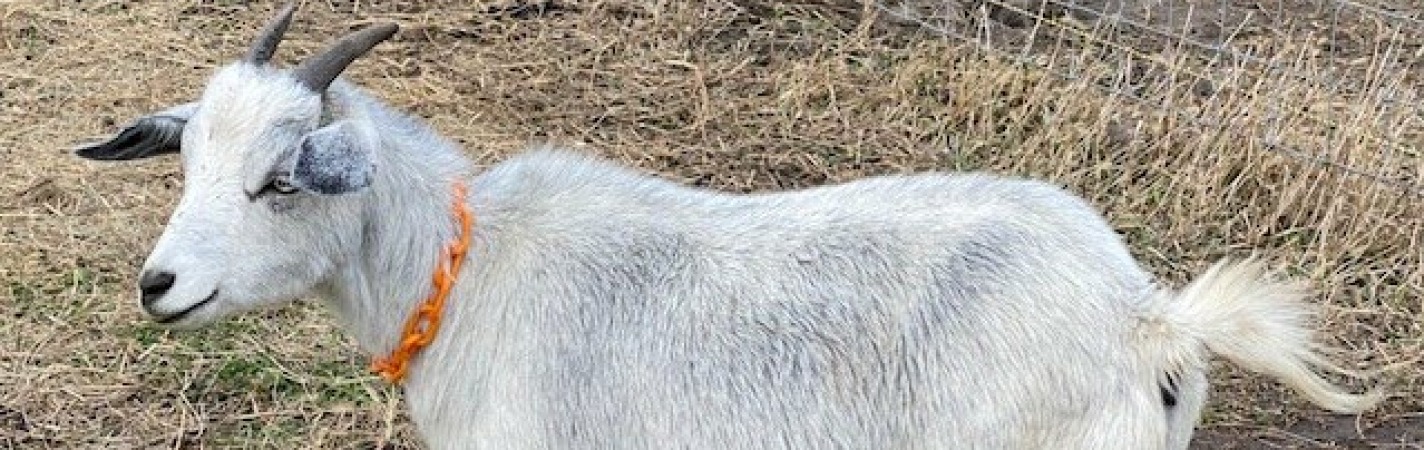
Iris (E0871)
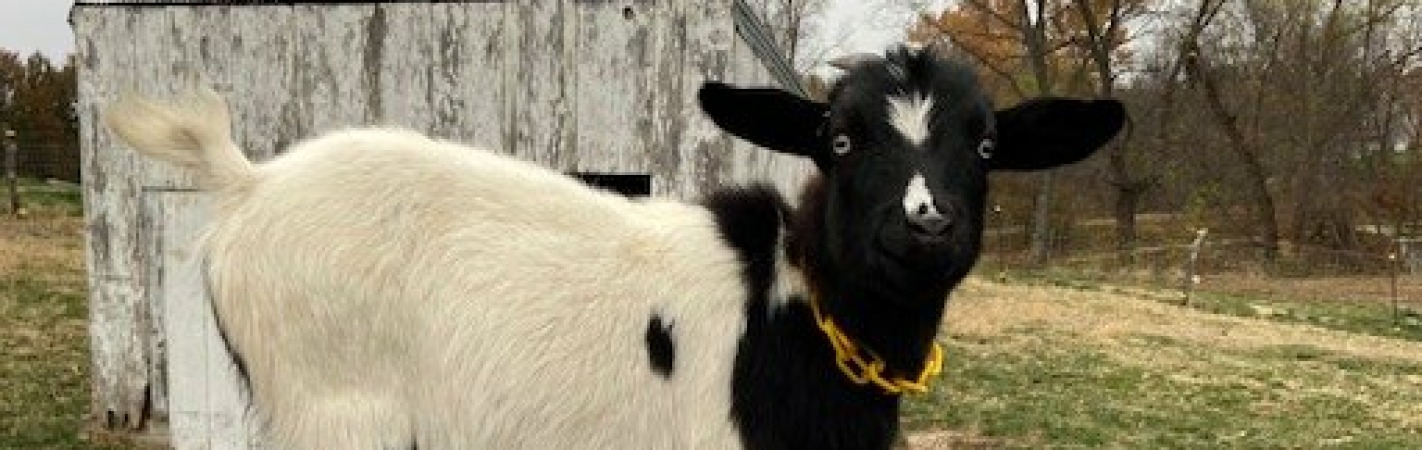
Maggie (F0534)
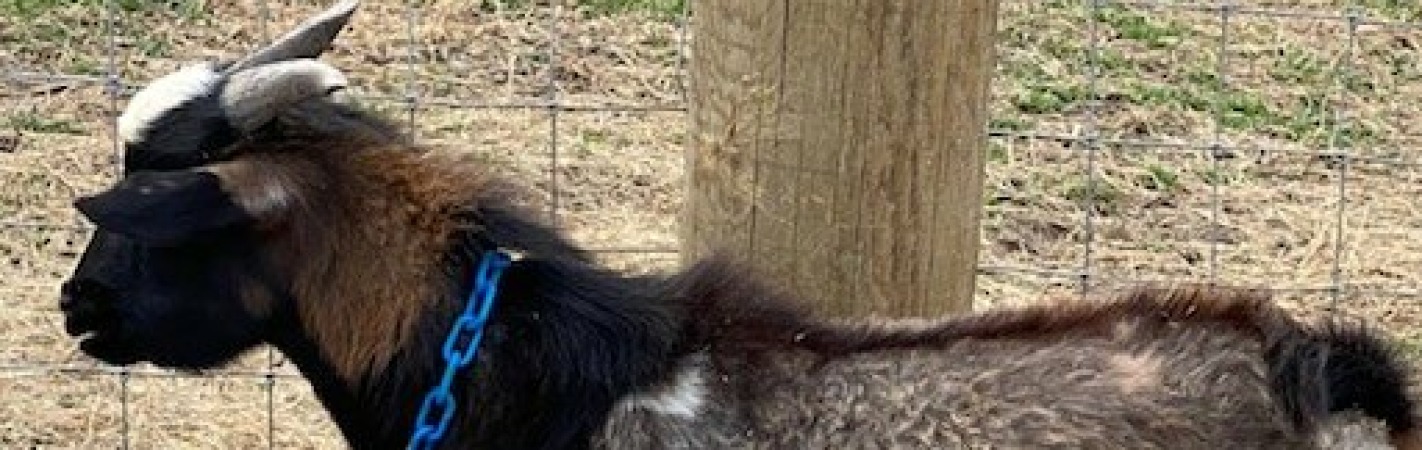
Ron Jeremy (F0519)
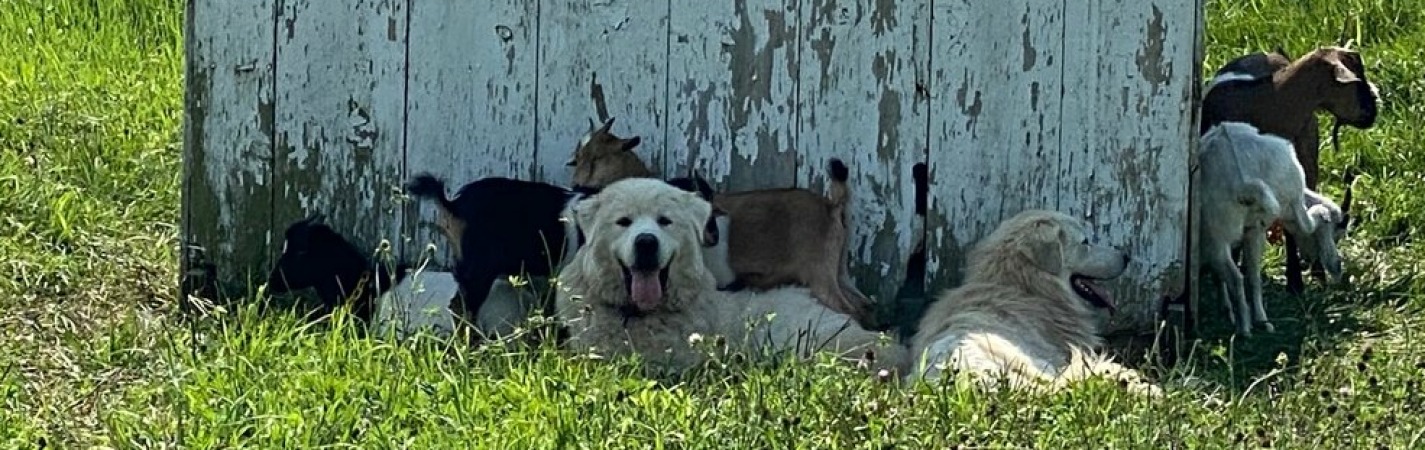
The Guardians
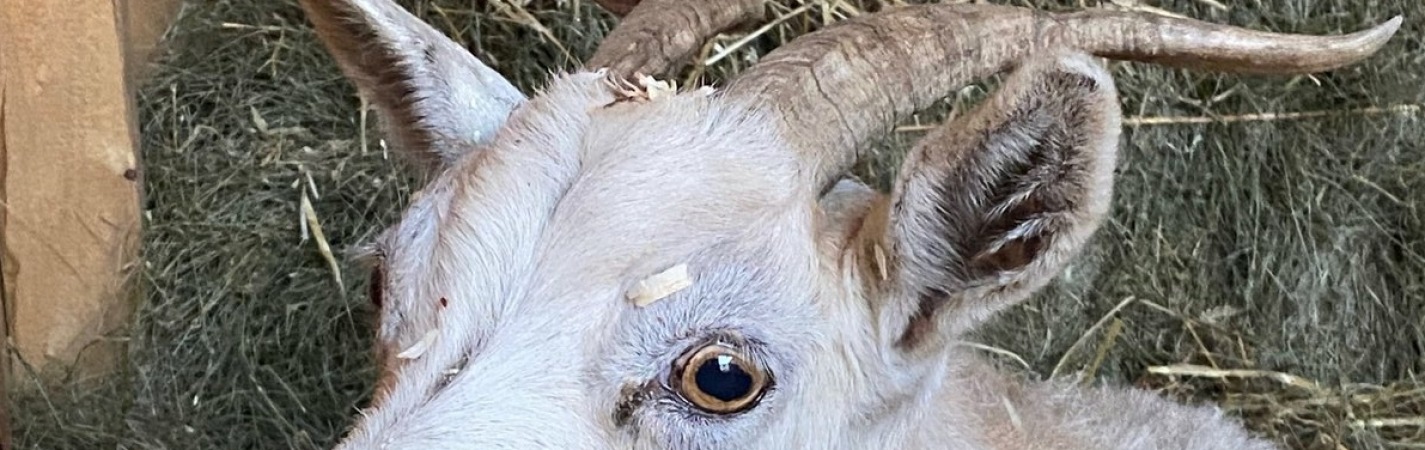
Happy (C3031)
History
This breed is known by several names; Myotonic, Tennessee Fainting Nervous, stiff-legged, etc. The names all refer to Myotonia congenita, a condition in which the muscle cells experience extended contraction when the goat is startled. The temporary stiffness related to these contractions can cause the goat to stop moving, stiffen, and even fall down. The condition is due to the ion channels in the muscle cell membranes and has nothing to do with the nervous system. The actual degree of stiffness may widely vary from goat to goat and is based on a number of factors, including age, species purity, and degree of fright.
The unique myotonic breed first enters a historical note in the 1880s, when a farm laborer arrived in the middle of Tennessee with four of these goats and a zebu cow in tow. Not much is known about John Tensley, the laborer, but he is reported to have come from Nova Scotia. Tinsley worked in the area for a few years and then moved on. His employer, Dr. Mayberry, purchased the goats and their offspring. The breed became popular in the region, as they are less prone to climbing, therefore fewer escapes, and they have a higher degree of muscularity than their non-fainting relatives do. Also, they have a high reproductive rate usually 2 or more per litter. This is the beginning of the breed, although the ultimate origin of them is likely to always remain a mystery. They don't appear to have surfaced elsewhere in the world but certainly must have originated somewhere.
In Tennessee, these goats were developed as a local meat source, valued for their environmental adaptability. They were easy to fence in because they jump and climb poorly, if at all. This alone makes them unique among goats. In the 1950s a few Texas ranchers bought some, moved them home to Texas, and began using them as a local source of meat. The Tennessee and Texas goats spring from a single source; remarkable similarities are present throughout both of these major branches of the breed.
A trend in American agriculture in the 1980s began to seek out and popularise a number of exotic breeds and species of animals – including myotonic goats, but because of cross-breeding, they are now considered a rare breed. At one time, The Livestock Conservancy placed fainting goats on the endangered list. Now they have been upgraded to "Recovering" status. As popularity increased, it became prudent to have registries to track the breed and its breeding. A few registries remain, and the main ones today are the Myotonic Goat Registry and the International Fainting Goat Association. These were both developed to track purebred goats, which is an important goal as not all goats with myotonia are purebred myotonic goats. For the breed to be useful it must protect its purity; this is the goal of the registries.
The registries are reasonably inclusive and recognize that many foundation herds of excellent goats lie behind the present breed. No single strain is able to claim to be oldest, best, or purest any more strongly than could proponents of the remaining strains. While size has and does vary, ethical breeders have never resorted to crossing to decrease or increase size, but have instead worked within the breed to achieve a purebred that fits different desires across breeders.
Fun Fact
All colors, combinations, patterns, and markings seem to exist. Hair coats can vary from short to long, with many animals producing a noticeable amount of cashmere during the winter months.